
Red Wine vs White Wine: What's the Difference?
Whether you're a first-time taster or a seasoned sipper, understanding the basics makes every Napa Valley tasting more enjoyable.
One of the most common questions we hear from visitors planning their first Napa Valley wine day is simple: should we focus on red wines or white wines? The honest answer is both — but understanding the difference helps you pace your day, choose the right wineries, and get more out of every stop.
How Red Wine Is Made
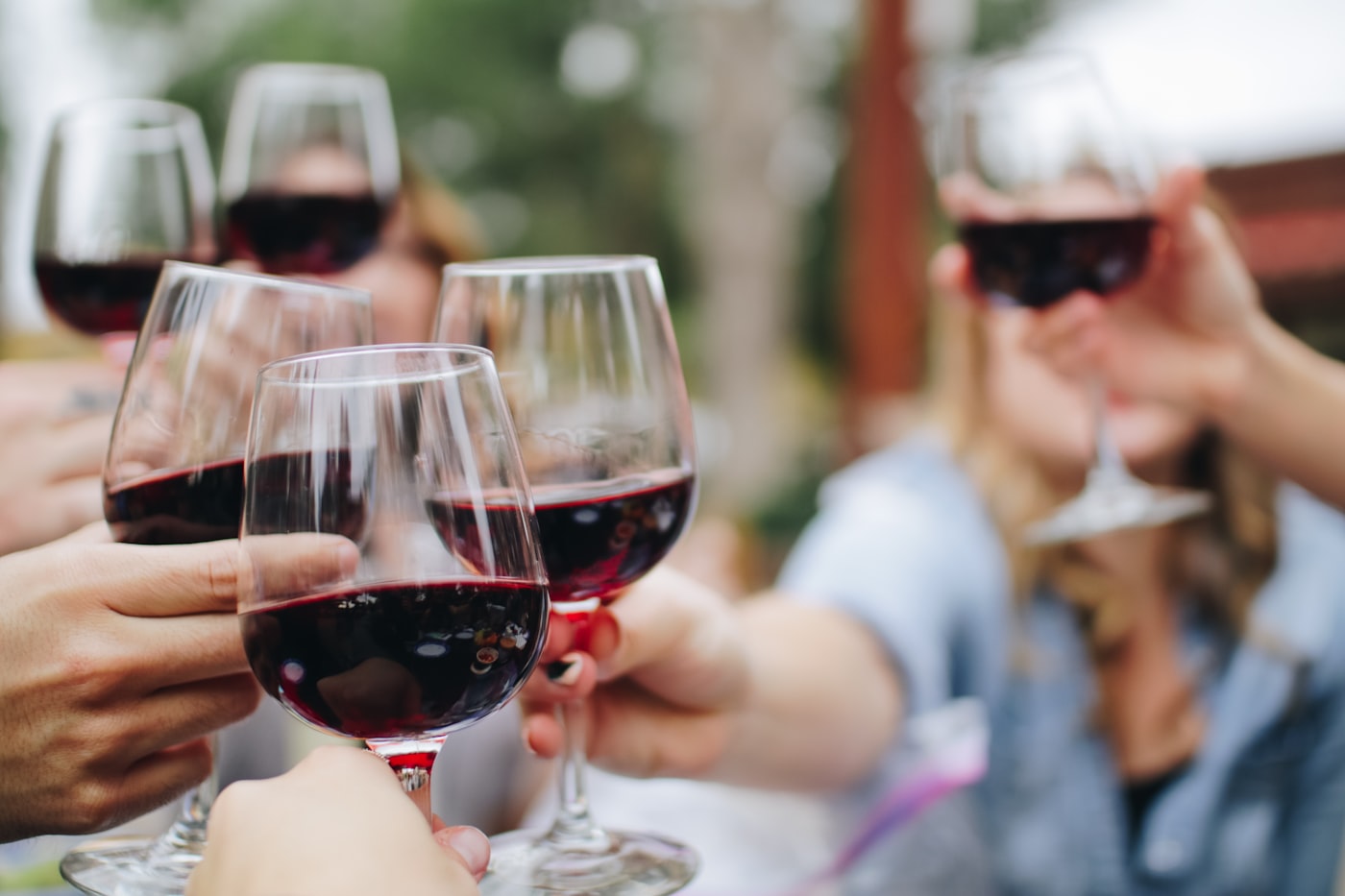
Red wine gets its color from the grape skins. During fermentation, the juice stays in contact with the skins — a process called maceration — which extracts color, tannins, and flavor compounds. The result is typically a fuller-bodied wine with more complex structure. Red wines are usually served at slightly below room temperature. In Napa Valley, Cabernet Sauvignon is the king of reds — bold, structured, and built to age.
How White Wine Is Made
White wine is made from either green or yellow grapes, or occasionally red grapes with the skins removed before fermentation. Without skin contact, the wine stays clear to golden in color and generally lighter in body. White wines tend to be crisper, more acidic, and served chilled. In Napa Valley, Chardonnay dominates — rich, sometimes buttery, and wildly popular. Rombauer's Chardonnay is one of the most sought-after bottles in the country.
Red vs White — Which Should You Taste in Napa?
The straightforward answer: both. A well-planned Napa Valley wine day typically starts with lighter whites in the morning when your palate is fresh, transitions through lunch, and finishes with bigger reds in the afternoon. a lighter tasting to start lets you build into the bigger experiences later in the day. Most wineries offer flights that include both styles, so you rarely have to choose.
Red Wine Pairings for a Napa Day
Napa's bold Cabernet Sauvignons pair beautifully with red meats, aged cheeses, and hearty dishes. If you're planning a Michelin-starred dinner after your tastings, a Napa Cab is usually the right call. Merlot and Pinot Noir are softer options that pair well with a wider range of foods. Planning your food stops around your wine choices — and vice versa — is something a local driver can help you sequence properly.
White Wine Pairings for a Napa Day
Chardonnay is Napa's most celebrated white — rich enough to stand up to seafood, pasta, and creamy cheeses. Sauvignon Blanc is the lighter, more acidic alternative — crisp and refreshing between heavier reds. If your group includes people who prefer lighter wine, starting at a sparkling-focused winery like Mumm Napa sets an easy, festive tone for the day.
Experience More, Worry Less — Let Us Drive
The best way to explore both red and white wines in Napa Valley is with a professional designated driver who knows which wineries specialize in what, how to sequence your stops for the best experience, and how to get your group home safely after a full day of tasting. Napa Tour Expert provides licensed, insured drivers starting at $49/hr. Gratuity always separate.